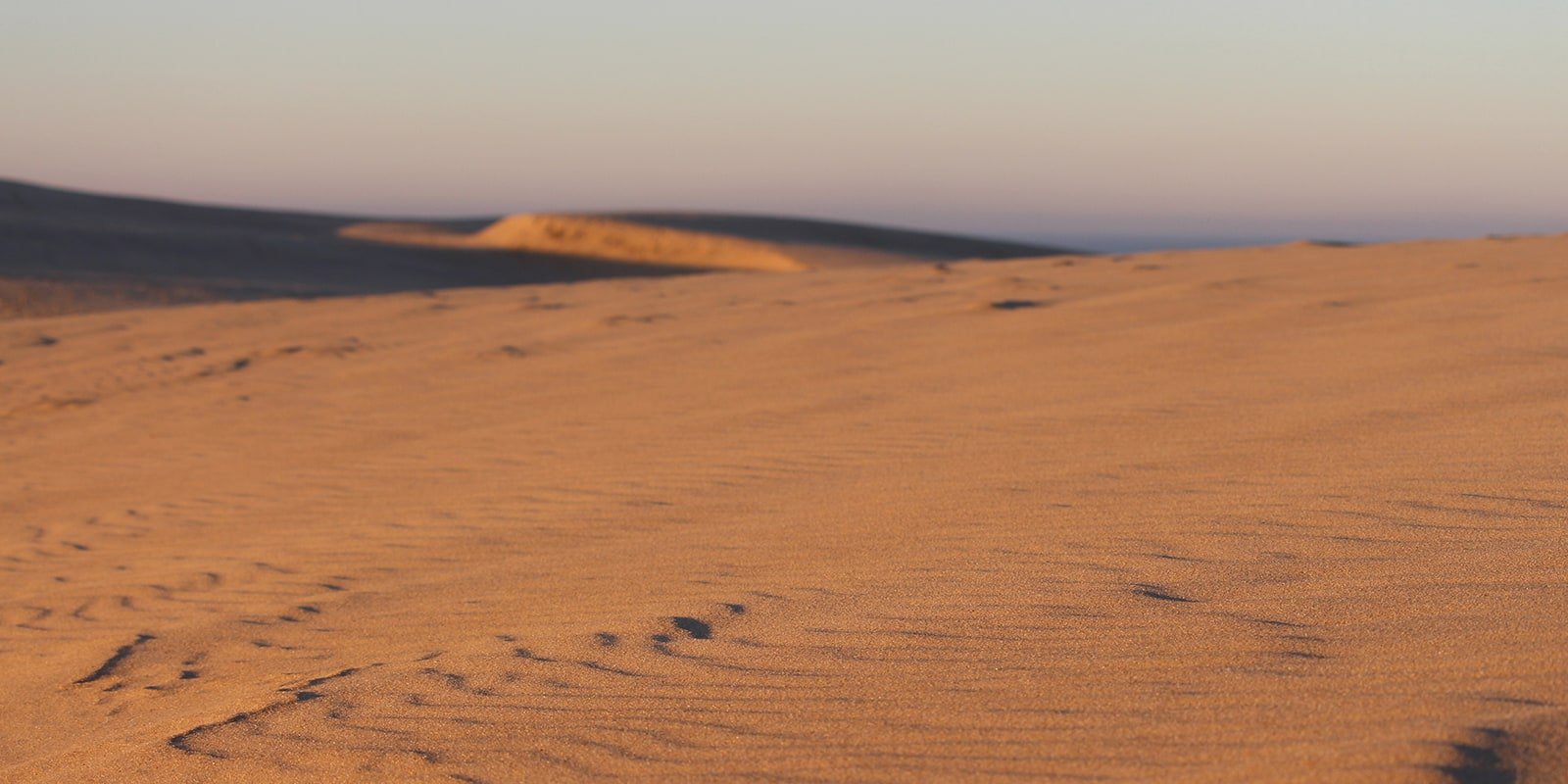
From September 21 to October 9, 2026, the Dune du Pilat Grand Site will host a new campaign of planned archaeological excavations. This temporary scientific intervention on forest paleosol no. 2 (dated from the end of the Bronze Age to the beginning of the Second Iron Age, i.e., 1000 to 500 BC) aims to anticipate the inevitable coastal erosion in order to preserve the memory and history of the first human settlements on the Aquitaine coast.
Key moments and scientific objectives
The erosion mechanisms at the outlet of the Arcachon Basin expose, then gradually destroy, remains more than 3,000 years old. The 2026 operation is part of a scientific foresight approach aimed at studying these structures (hearths, post holes, salt production workshops, ceramics and wood exceptionally preserved in peat) before their final disappearance.
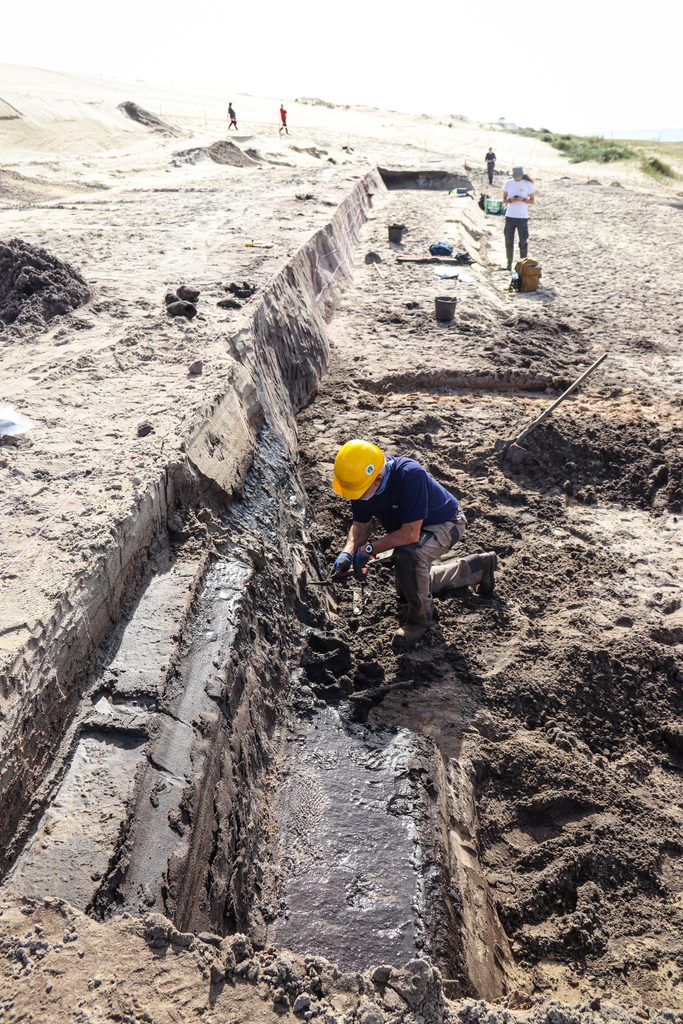
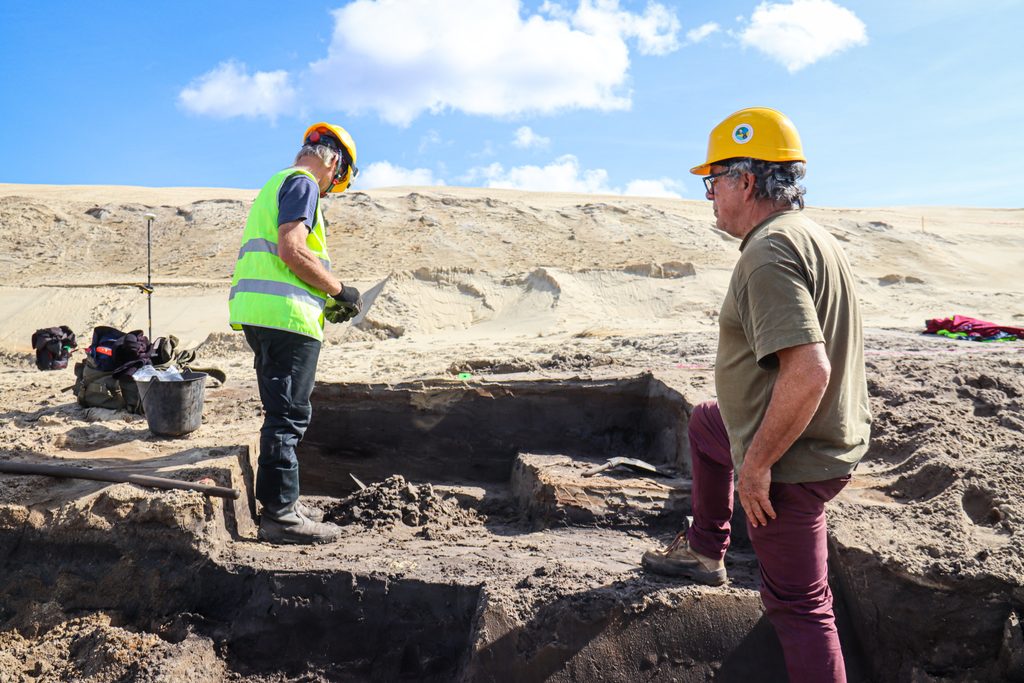
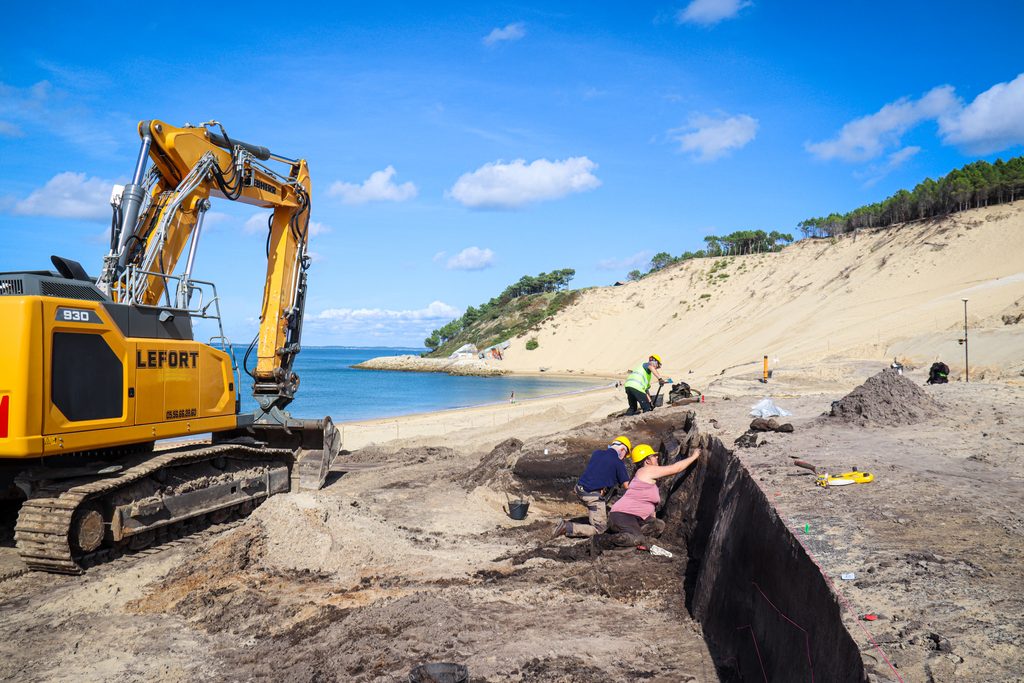
The archaeological operation carried out on plot CE195 of the Dune du Pilat, property of the Conservatoire du littoral, benefits from an excavation permit issued by the Ministry of Culture. (DRAC Aquitaine, Regional Archaeology Service) in accordance with the various articles of law governing archaeological excavations in France. It is recalled that No one is authorized to conduct archaeological excavations without permission. and that any fortuitous discovery of an archaeological nature must be reported to the competent services (town hall, prefecture, DRASSM, DRAC, etc.). Any offence is punishable by the penal provisions provided for in articles L.544-1 et seq. of the Heritage Code and article 322-3-1 of the Penal Code.
Safety instructions to be followed by the public
All excavation areas are marked off with stakes and construction tape. As these areas are inaccessible to unauthorized personnel for safety reasons, crossing these boundaries is strictly prohibited. The presence of an excavator moving across the beach between excavation areas requires particular attention. No one should be within twenty meters of this machine.
Alongside field research, the Joint Syndicate and its partners continue their awareness-raising activities with visitors by offering free mediation activities.
What if you discovered what goes on behind the scenes at the construction site?
On Saturdays, September 26 and October 3, the excavation site will be open to the public for guided tours led by archaeologists. Tours are free and require reservations; please call 06 32 01 45 51.
Exhibition: In the Footsteps of the Past
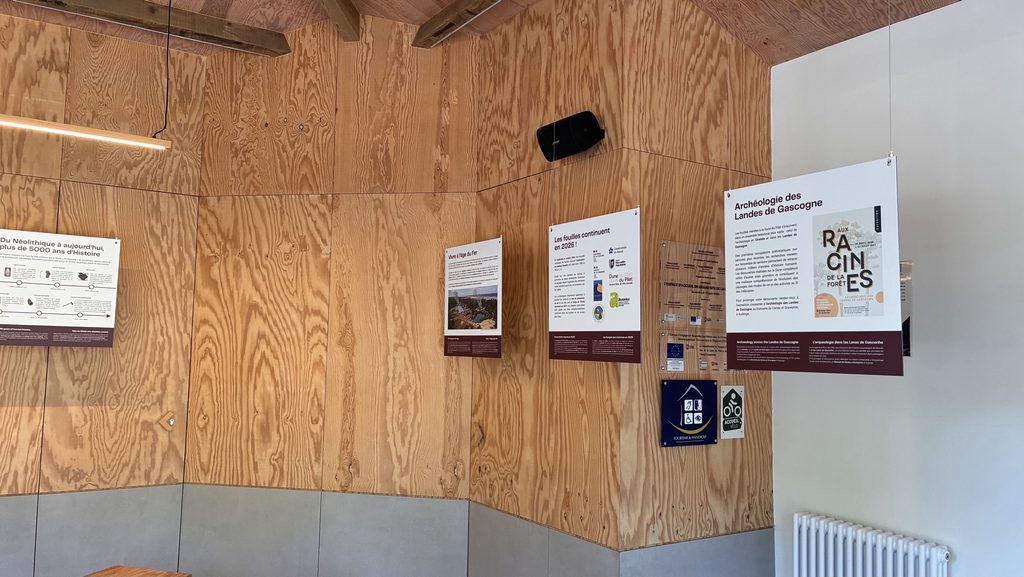
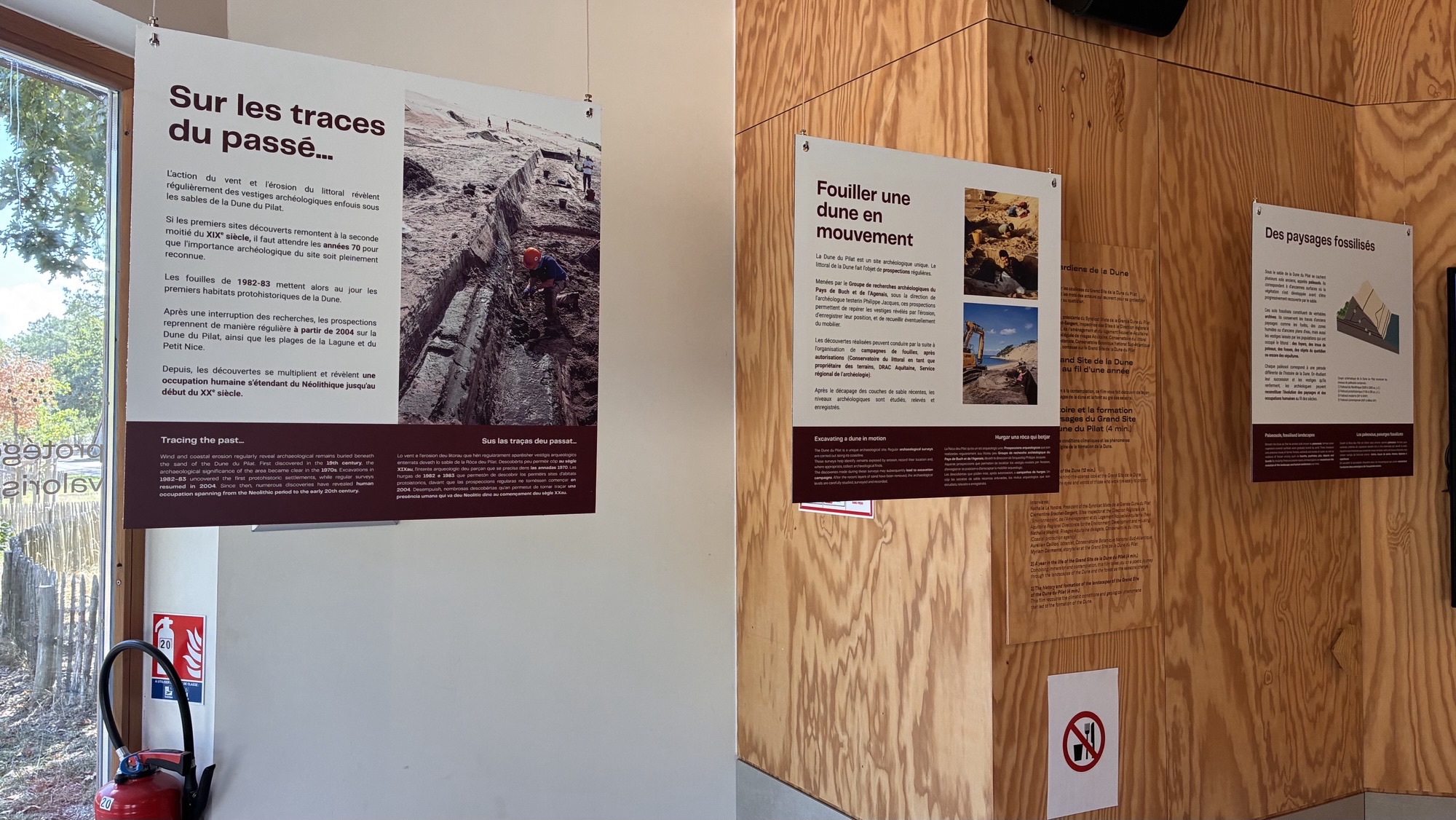
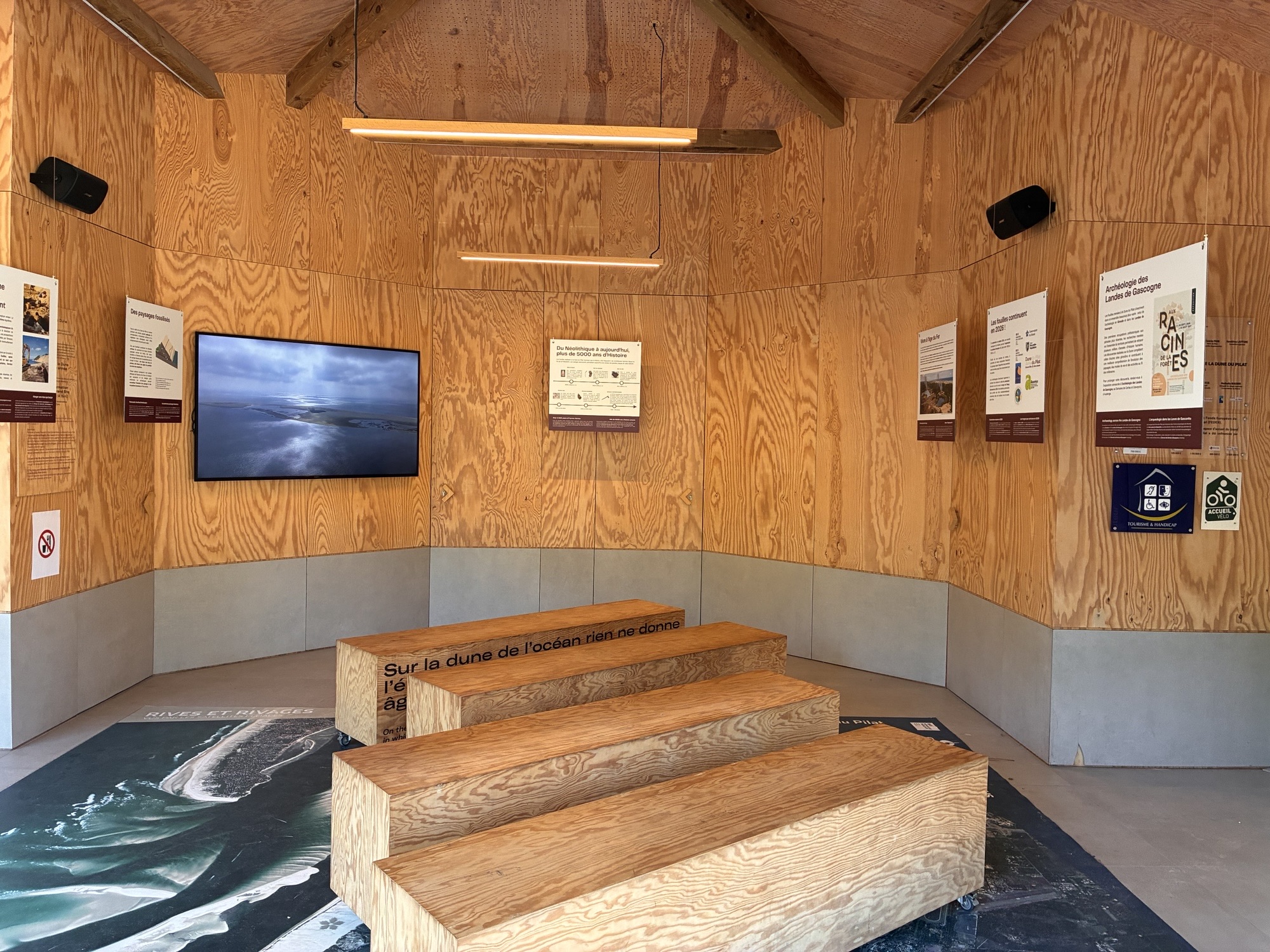
As part of the ongoing excavation campaign, the Syndicat Mixte de la Grande Dune du Pilat has created a small exhibition that retraces the daily life of those who have occupied the coastline through the millennia.
Place : Exhibition hut, on the reception area of the Dune du Pilat.
Access : Visible every day during the opening hours of the information point. Free entry.
Extension of the discoveries
The excavations carried out at the Dune du Pilat are part of a much larger project: that of archaeology in Gironde and in the Landes de Gascogne.
From the earliest prehistoric settlements to more recent periods, research conducted across the region allows us to trace several thousand years of human history. The discoveries made on the Dune complement those of other sites in the Gironde and contribute to a better understanding of the evolution of landscapes, lifestyles, and activities over millennia.
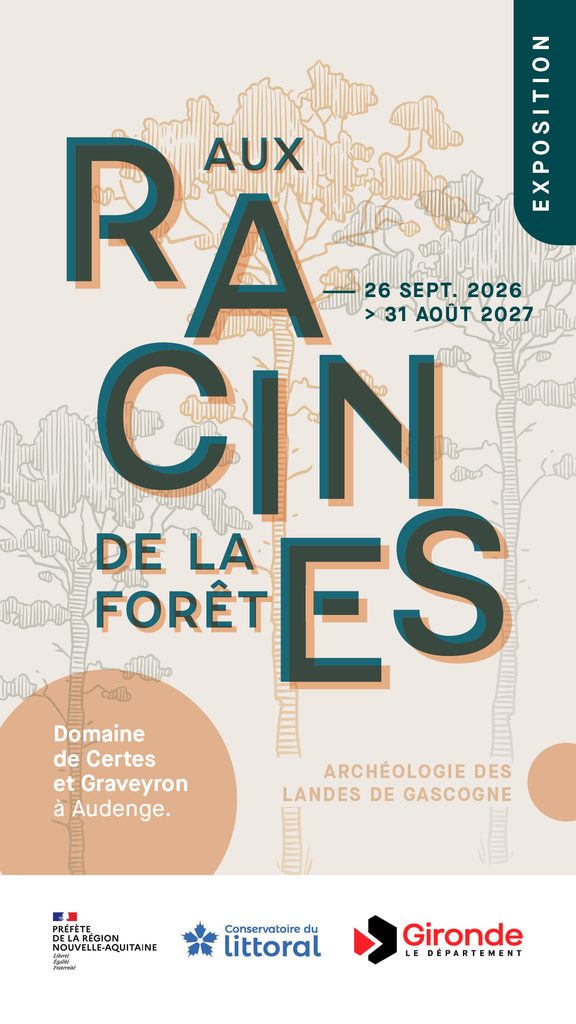
To extend your exploration, visit the exhibition dedicated to the archaeology of the Landes de Gascogne, at Domaine de Certes et Graveyron, in Audenge.
INSTITUTIONAL PARTNERS AND FUNDING FOR THE OPERATION
- The State—DRAC Nouvelle-Aquitaine (Regional Archaeology Service): Scientific validation and funding of the operation. Throughout the region, the DRAC Nouvelle-Aquitaine authorizes, funds and oversees planned archaeological operations in accordance with the Heritage Code.
- The Coastal Conservancy: Owner of the public land (plot CE 195) on which the excavations are taking place. He issues the Temporary Occupation Agreement (COT) and ensures the rigorous preservation of the fauna, flora and landscape balance.
- The Joint Syndicate of the Great Dune of Pilat: The public manager of the site (comprising the Nouvelle-Aquitaine Region, the Gironde Department and the Municipality of La Teste-de-Buch) coordinates visitor reception, security, public information, cultural mediation, and site condition assessments before and after works.
- The City of La Teste-de-Buch and its Museum: Financial and institutional partner for the provisional and then permanent conservation of archaeological furniture within the Museum of the Pays de Buch and the Arcachon Basin.
- The GRAPBA Association (Archaeological Research Group of the Pays de Buch and Agenais): The excavation operator, chaired by archaeologist Philippe Jacques, provides technical expertise, scientific coordination and supervision of the excavation teams.
- The Ausonius laboratory The teams are responsible for surveying the site. Archaeological work carried out on the Teste coastline, and in particular on the Dune du Pilat, is regularly integrated into their research areas.