“Preserve and welcome ”
Since 2007, local authorities have joined forces to form a public institution, the Mixed Union of the Great Dune of Pilat. The latter is composed of the Nouvelle-Aquitaine region, Gironde department and La Teste de Buch municipality.
His role ? The public management of the land within the Grand Site entrusted by the Coastal Conservancy. Alongside its partners, the Joint Syndicate works daily to preserve these fragile environments, ensure their enhancement and their visit in the best possible conditions of reception.
Public action is guided by the national policy of the Great Sites of France, initiated by the State, addressing, like the Dune du Pilat, exceptional landscapes of our heritage.
The Baie de Somme, the Montagne Sainte-Victoire, the Marais Poitevin or the Dune… all have a beauty that makes them attractive and therefore very popular! How to strike a balance between protecting remarkable landscapes, welcoming a large number of visitors and local development?
These issues are at the heart of public action carried out on the territory of the Grand Site of the Dune du Pilat for more than 15 years, discover here the structuring projects underway and to come.

The Syndicat Mixte de la Grande Dune du Pilat is a public establishment administered by a trade union committee made up of two representatives from each community.
I discover the work of management and enhancement of the dune
Safeguard natural spaces and maintain access to them for all
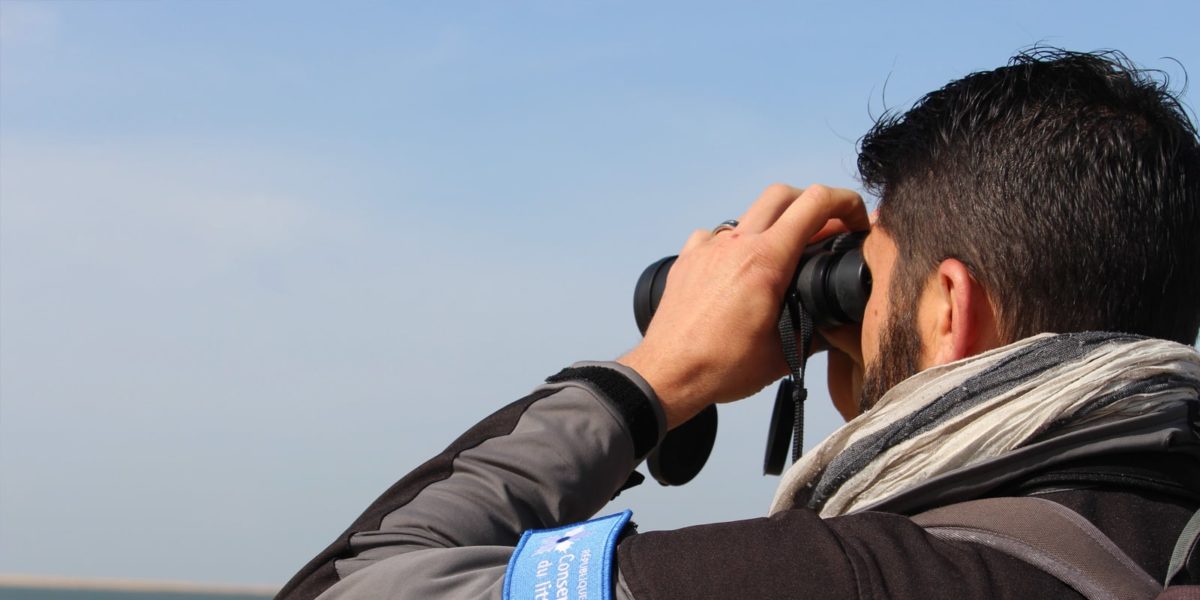
The vocation of the Coastal Conservatory responds to fundamental societal issues: prevent the disappearance and trivialization of natural coastal areas. The heart of its mission is land acquisition, to irreversibly preserve. By purchasing the land, the Conservatoire du littoral protects them in the long term. These lands are then restored and possibly developed in order to maintain the biological, aesthetic and identity richness of our coasts and to allow free access to all.